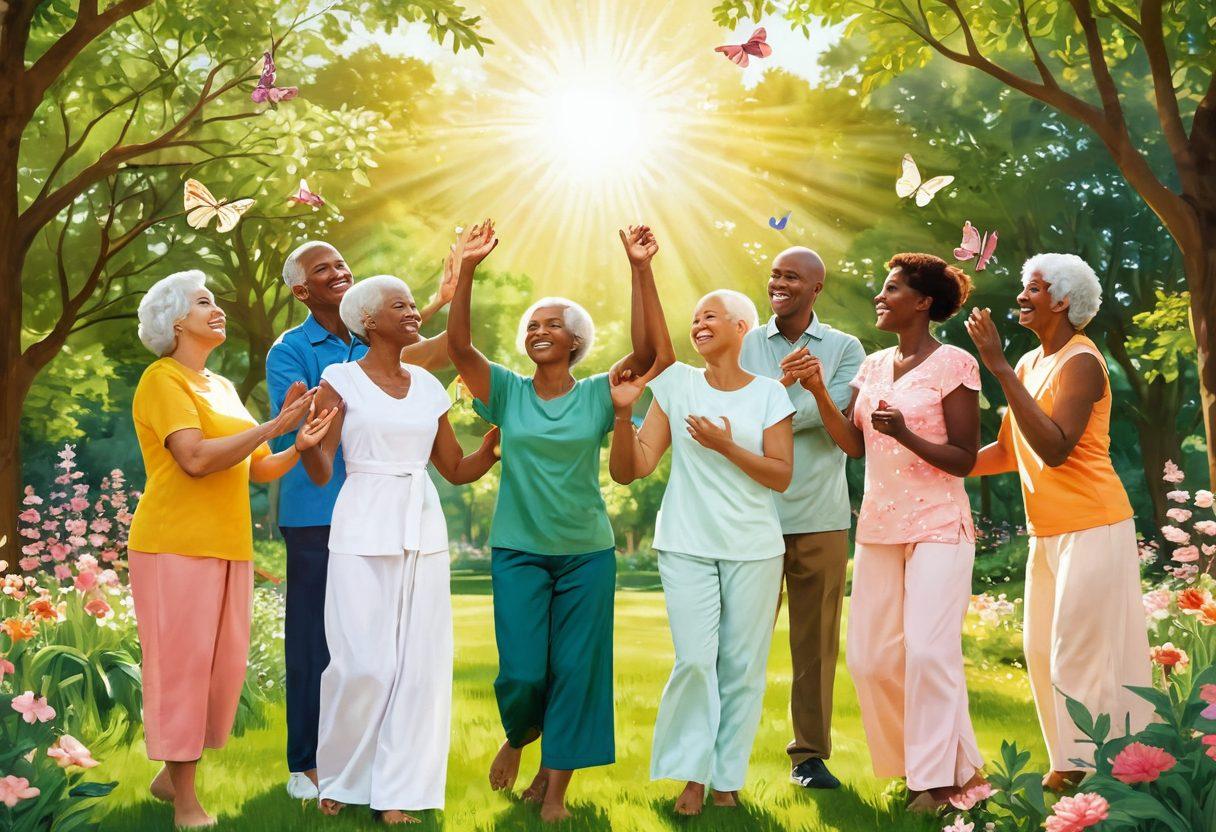
Empowering Survivorship: Navigating Cancer Care and Support for a Healthier Tomorrow
Navigating the complexities of cancer care can often feel like an uphill battle. For many survivors, the journey transcends the boundaries of medical treatment and delves deeply into the realms of emotional and mental health. Imagine standing at the crossroads of countless treatment options, from chemotherapy to immunotherapy, and trying to make sense of it all. As a survivor, how do you navigate these tangled paths? This guide aims to shed some light on the nuances of your oncology experience and provide actionable insights that will empower you on your journey towards wellness and survivorship.
Empowerment through education is essential when it comes to cancer care. The more you know, the better choices you can make regarding your health and wellness. It's vital to keep current with cancer research, explore the roles of your oncologist, and remain engaged in conversations about treatment options. Have you ever wondered how alternative medicine might play a role in your recovery? This is where your voice as a patient can truly shine—collaborate with your medical team to determine which disease management strategies feel right for you. This could include considering clinical trials or integrating complementary therapies that resonate with your values.
Mental health plays an undeniable role in the healing journey for cancer survivors. After a diagnosis, it can be tempting to focus solely on the physical aspects of cancer treatment like radiation therapy and surgical interventions. Yet, the emotional toll cannot be overlooked. How can we nurture our mental well-being amidst the chaos? Engaging with patient support groups within the vibrant cancer community is one way to foster resilience and connection. Whether it’s sharing stories or wellness tips, these interactions can create a nurturing space that reinforces hope—after all, healing is a holistic journey.
Cancer awareness forms the backbone of informed health choices. It’s essential to stay educated about cancer prevention methods and the latest advancements in treatment options. Did you know that lifestyle changes can significantly enhance your health and wellness? Simple adjustments like dietary changes, regular exercise, and mindfulness practices can bolster your resistance against recurrence. Imagine taking control of your health by transforming your day-to-day habits—what wellness tips could you incorporate today to enrich your survivorship?
Lastly, let’s not forget the power of storytelling in the face of adversity. Every survivor's journey is unique, filled with moments that challenge and uplift them. As you navigate your cancer care, reflect on the pivotal steps that brought you to this point. Engaging with fellow patients can lead to rich exchanges of inspiration—who knows, your story could be the beacon of hope someone else needs. As you continue this journey, nurture a mindset geared towards wellness and growth; the future looks brighter when we embrace survivorship fully.
From Diagnosis to Recovery: Essential Support Systems for Cancer Patients
The journey from diagnosis to recovery can often feel like an emotional rollercoaster for cancer patients and their families. It can be a mix of hope, fear, uncertainty, and an overwhelming sense of determination. But amidst this tumultuous journey, one thing stands out as a beacon of hope—essential support systems that empower survivorship during cancer treatment. In this blog post, we will explore the understanding of cancer care and how support from oncology teams, patient communities, and health education can dramatically influence not only survival but also the quality of life for cancer patients.
When a patient first receives a cancer diagnosis, they may feel enveloped by a thick fog of confusion and disbelief. Questions like 'What does this mean for my future?' and 'How will I cope with this?' often swirl in the mind. This is where having a trusted oncologist becomes crucial. Building a strong relationship with your healthcare team allows for open communication about treatment options such as chemotherapy, immunotherapy, and radiation therapy, but it also helps in establishing a comprehensive cancer care plan that addresses mental health and emotional well-being. Remember, your oncologist isn’t just your doctor; they can be your guide through one of the most challenging journeys of your life.
As important as medical expertise is, the emotional component of cancer treatment cannot be overlooked. Joining a cancer community, whether it's a support group or an online forum, can provide critical mental support during the darkest times. These communities offer spaces to share not just stories of grief but also victories, wellness tips, and resources that can be the lifeline many patients need. Remember the words of a wise survivor: 'It’s not the cancer that defines me, but how I choose to fight it.' So, why not surround yourself with those who understand?
Moreover, cancer research plays an integral role in understanding how to better support patients throughout their recovery. Clinical trials often present newcomers with alternative medicine approaches that may complement traditional treatments. By staying informed and engaged with ongoing cancer research, patients can take control of their disease management and possibly make decisions that align with their own health and wellness goals. Education empowers, and by learning about breakthroughs in cancer prevention and treatment options, patients can become advocates for themselves in discussions with oncologists.
Lastly, survivorship doesn't end with the end of treatment. It extends into living life fully, armed with newfound strength and resilience. Mental health remains paramount even after the last radiation therapy session. Patients should always consider themselves part of the larger network of cancer support, participating in community events that promote cancer awareness and encourage others in the journey. Together, we can foster an environment of understanding, compassion, and hope—because every step toward recovery is a testament to the unyielding human spirit. In navigating cancer care, let us remember that while the road may be long, we do not walk it alone.
Boosting Wellness and Empowering Patients: The Role of Community in Cancer Survivorship
In the face of adversity, a community can become a powerful lifeline for cancer survivors. Navigating cancer treatment can often feel like traversing a daunting labyrinth, with myriad choices in oncology care, from chemotherapy to immunotherapy. The question arises: How do survivors not just survive but thrive? The answer often lies within the fabric of the cancer community, where support and wellness intertwine. Engaging in this community brings forth a world of resources and connections that can significantly empower patients and enhance their journey toward health and wellness.
Why is the role of community so crucial in cancer survivorship? It's simple: human connection is a fundamental part of healing. Whether it's through shared experiences at a local support group or insights gained from a health blog detailing the latest in cancer research, survivors can derive immense strength from their peers. A striking quote from a survivor resonates here: 'When I learned I was not alone in this fight, I found the courage to face each challenge head-on.' Such sentiments underline the essence of cancer support, highlighting how collective experiences can ease daunting challenges like disease management or the mental health struggles that may come with treatment.
The landscape of cancer care continues to evolve, with many survivors turning towards alternative medicine as complementary therapies. From meditation to yoga, wellness tips abound in the cancer community, offering holistic approaches that can ease treatment side effects and foster an empowering environment. These alternative methods, paired with traditional treatments like chemotherapy and radiation therapy, can pave the way for a comprehensive approach to patient support. As you embark on your healing journey, consider how integrating such practices can optimize your wellness and support your body and mind through this transformative process.
Moreover, cancer prevention is not just about avoiding recurrence but also about living a fulfilled life post-treatment. Health education plays an essential role here, informing survivors about their rights, available wellness programs, and opportunities to engage in clinical trials. By participating in cancer research, patients can not only aid in the fight against cancer but also gain access to cutting-edge therapies that can further enhance their survivorship experience. Isn't it empowering to be part of a network that contributes to a brighter future for all affected by cancer?
Ultimately, the path of survivorship is not a solitary one. It thrives on the collective strength found within the cancer community. It invites patients to share their journeys, seek support, and actively engage in health and wellness initiatives that can strengthen their resolve. As you step into this empowering circle, remember: 'Together, we are stronger.' So, take that first step—reach out, connect, and let the light of community guide you toward a healthier tomorrow.